Grace: God’s Servant Intercedes, Exodus 33:12-34:28

During Moses’ second forty night and day period on Mount Sinai—after Israel commits idolatry—he pleads with the Lord to restore His promised blessings to them. By God’s grace, Moses fulfills his purposes: God promises to go with Israel, God shows Moses a glimpse of His glory, and God forgives Israel’s sins.

God’s presence with the nation (33:12-17)

Moses makes his appeal to God on the basis of His grace. For God showed mercy when He refrained from completely destroying the people for their sin of idolatry. Moses’ request lines up with the factor that set Israel apart from the other nations: God’s presence with Israel. Moses reminds the Lord of His promise to go with the people on their journey to the promised land. He must have been ecstatic when God promises once again to escort them to the Promised Land.

So does God’s people have the right to “negotiate” with God as Moses did? Warren Wiersbe (Be Delivered) gives an interesting observation: “It all depends on our relationship with God. Moses knew the ways of God (Ps. 103:7) and was the intimate friend of God, and therefore he was able to present his case with faith and skill. The godly Scottish minister Samuel Rutherford, who knew what it was to suffer for Christ, wrote, ‘It is faith’s work to claim and challenge loving-kindness out of all the roughest strokes of God.’ That’s what Moses was doing for the people.”

God’s Glory Revealed (33:18-23)

Although Moses and the Jews witnessed God’s glory in the pillar of cloud and fire, and in the storm on Mt. Sinai, Moses tells God he wants to see His glory revealed to him personally. God’s response? “’I will cause all my goodness to pass in front of you, and I will proclaim my name, the Lord, in your presence. I will have mercy on whom I will have mercy, and I will have compassion on whom I will have compassion.’ ‘But,’ He said, ‘you cannot see my face, for no one may see me and live,’” (33:19-20).

Moses is given a guarded glimpse of God’s back when He places Moses in the cleft of a rock and covers him with His hand. When God later calls Moses to bring two new stone tablets—before He renews the covenant—He associates His name with the greatness of His attributes. This declaration is the foundation to both Jewish and Christian theology.

“No one has ever seen God; but if we love one another, God lives in us and His love is made complete in us,” (1 John 4:12).

God’s Forgiveness Granted (34:1-28)

Moses must have received a bolt of confidence with God’s renewed promise to go with the people. But would He accompany them like a policeman with criminals, or like a caring Father? Wiersbe writes: “The answer came when the Lord ordered Moses to prepare two new stone tablets, for this meant He was going to replace the tablets that Moses had broken! God would renew the covenant! . . . .Faith comes by hearing and receiving God’s Word (Rom. 10:17), so Moses by faith asked God to forgive the people.”

Even though Moses wasn’t guilty of disobeying God, he bows before the Lord and asks God to “pardon our iniquity and our sin” (34:9). As God graciously forgives the people and renews the covenant He repeats the crucial features in the covenant, especially laws concerning idolatry. For temptation would loom in the Promised Land. God clarifies: His people are not to compromise through making agreements, intermarriage, and/or adopting pagan ways. For idolatry to God is like adultery in marriage.

So God commands the Israelites to destroy everything associated with idols when they reach the promised land. Sound harsh? Wiersbe observes: “We who live many millennia after these events can’t begin to comprehend how filthy Canaanite idolatry was when Israel conquered the land. It was unspeakably immoral, and like cancerous tumors in human bodies, the pagan temples and altars had to be removed and destroyed before the land could be healthy. . . . Idolatry was the enemy that almost destroyed the nation.”

Reflect

This passage offers several great insights, but the following truth really stands out to me: Instead of God showing Moses a vision of His power and majesty, He simply declares who He is. His character—associated with His name—is demonstrated through love, patience, forgiveness, mercy, grace, compassion, faithfulness, and justice. Although God abhors idolatry, He still pursued Israel with great patience and love. He didn’t yoke His commands around their necks, rather, He offered them another chance to embrace His laws and obey. For to obey would bring them happiness and freedom. God also pursues us, even in the times of discipline and punishment. We glorify Him when we obey His commands and allow Him to develop His character in us.

Although we would die if we were to see God’s face now, because of His great holiness and power, He made a way for us to know Him through His Son, Jesus Christ (John 14:21). It’s hard to fathom that this great God would even want a personal relationship with us. But He does! And He went to great lengths to make this possible.

Do you hunger to know this God who created you and loves you? The New Testament Gospel books—Matthew, Mark, Luke, and John—tell the story of Jesus’ life and ministry. If you have never read these books in the Bible, why not start now? Reading one chapter daily is doable. You don’t have to have it all together to come to God. None of us do! If you ask God in sincerity to reveal Himself to you, He will. But if from there you seek the Lord your God, you will find Him if you seek Him with all your heart and with all your soul,” (Deuteronomy 4:29). . . . Have a great week!

The Great Discipline, Exodus 32:15-33:11

God never permits His people to sin successfully.” –Charles Spurgeon

Warren Wiersbe (Be Delivered) writes: “God in His grace forgives our sins, but God in His government allows sin to work out its terrible consequences in human life. We reap what we sow (Gal. 6:7-8). . . . What a tragedy it is to reap the consequences of forgiven sin!”

King David—a man after God’s heart (Acts 13:22)—was one example of not only experiencing God’s forgiveness, but also having to face the consequence of his sins. God told him that the sword would not depart from his family, and it didn’t (2 Sam. 12:1-14).

With Moses’ absence for 40 days on Mt. Sinai, Israel impatiently grumbles against Moses and demands that Aaron set up an idol to lead them in place of God. Aaron complies and the people say: “These are your gods, Israel, who brought you up out of Egypt,” (32:4).

Moses Disciplines the people (32:15-29)

Moses asks Joshua to join him as he treks down Mt. Sinai. For one day Joshua would replace Moses and take up his leadership role. As Moses sees the golden calf idol, he throws down the stone tablets—that God had inscribed with His finger—in righteous anger. This act of breaking the tablets symbolizes Israel’s breaking the covenant with God. Now they would face the consequences.

After Moses confronts Aaron, he obeys God’s order and asks the people: “Who is on the Lord’s side? (see Josh. 24:15). The people are given opportunity to repent of their sin and return to God, but only the Levites respond. Setting aside the bonds of family and friendship, these men obediently follow through with the gut wrenching task of killing all involved in the orgy (about three thousand). Paul uses this event—among others—centuries later to warn believers about rebelling against God (1 Cor. 10:1-12).

Next, Moses destroys the idol calf by burning it, grinding the gold to powder, then throwing the powder into a stream. As he makes the people drink from this stream (Deut. 9:21), he forces them to identify with their sins.

Although Moses is angry with the people, God is angrier. When Moses returns to Mt. Sinai again for forty days and nights fasting and praying, he petitions God for an exchange: Spare the Israelites and kill him instead. But God rejects his offer. Maybe if the Israelites knew the anguish Moses experienced because of them they might have been more supportive of him. The Lord, however, comforts Moses with the assurance that His angel would go before them and Moses would once again lead them. But punishment would be certain, in God’s own way and in His own time.

God Disciplines the People (32:35-33:11)

“Grace is simply not just leniency when we sin, grace is the enabling gift of God not to sin. Grace is power, not just pardon.” –John Piper

After the Levites kill three thousand men, God’s first discipline comes in the form of a plague among the people. Wiersbe writes: “God knew who all the guilty people were. Sometimes God passes the sentence of judgment immediately but then delays executing the penalty. However, whether in the Old Testament or the New, ‘there is sin leading to death’ (1 John 5:16-17 NKJV).”

In God’s second judgment, He withdraws His presence leading Israel in their march to the Promised Land (33:1-6). Although He would still keep His covenant promises He made with the patriarchs earlier, He would send an angel to accompany them instead of in the person of His Son—“the Angel of the Lord”—going before Israel (23:20-23).

God’s third judgment involves moving Moses’ “tent of meeting” outside the camp where he could personally meet with God. Moses used this as a special tent to consult God since the tabernacle hadn’t been erected or dedicated yet. The cloud of pillar that led Israel thus far would hover at the tent door as God graciously granted Moses the privilege of talking to Him face-to-face (Num. 12:1-8; Deut. 34:10).

Reflect

The brief pleasure of sin isn’t worth its cost. Not only did Israel’s sin lead to thousands of deaths, but it also robbed the nation of God’s presence in both their camp and in their journey to the Promised Land. Although God punishes sin, He also shows His love to a thousand generations to those who love Him and keep His commandments (Exodus 20:6).

If you are experiencing God’s discipline, know that He loves you. Turn away from the sin and turn to Him. If we confess our sins, He is faithful and just and will forgive us our sins and purify us from all unrighteousness” (1 John 1:9).

Wishing you a wonderful week!

Israel’s Idolatry, Exodus 32:1-24

When the people saw that Moses was so long in coming down from the mountain, they gathered around Aaron and said, ‘Come, make us gods who will go before us. As for this fellow Moses who brought us up out of Egypt, we don’t know what has happened to him.’” –Exodus 32:1

While Moses spends forty days and nights on Mt. Sinai receiving the tabernacle building instructions and tablets of the covenant from God, the Israelites’ impatience becomes their undoing. Instead of waiting for God to fill the tabernacle with His glory, Israel falls into idolatry again, even though they witnessed the invisible God in action. With Moses’ absence, Aaron caves to public pressure. Instead of turning to God for help and warning the people, he gratifies their sinful hearts’ desire by making a golden calf in place of God.

So the people fall back into idol worship—which still lingered in their hearts from their captivity in Egypt—before indulging in immorality. Psalm 106:19-23 says Israel exchanged the glory of the true and living God for the image of an animal, acting like the heathen nations around them (Rom. 1:22-27).

Righteous anger kicks in when Moses sees their revelry. Perhaps his action of throwing the tablets down symbolizes the people’s sin of breaking God’s covenant. Aaron later offers a lame excuse, blaming the people (vv. 22-24). But God doesn’t buy it. He would have killed Aaron in His anger if weren’t for Moses’ intercession (Deut. 9:20).

The Great Test (vv. 7-14)

God’s character doesn’t change, but He does respond to His people’s confessions and prayers.

Warren Wiersbe (Be Delivered) writes: “In leadership, the difficult experiences with our people either make us or break us, and Moses was about to be tested. God called Israel ‘your people whom you brought out of Egypt,’ as though the Lord were abandoning the nation to Moses, but Moses soon reminded Him that they were His people and that He had delivered them. Furthermore, God had made a covenant with their forefathers to bless them, multiply them, and give them their land (Gen. 12:1-3). Moses intended to hold God to His word, and that’s what God wanted him to do.”

Next, God takes a different approach with Moses: He offers to make a new nation out of Moses’ descendants after wiping out Israel. But Moses love for his people—as stubborn and sinful as they were—trumps. Moses isn’t focused on himself or his future. Rather, his utmost desire is to glorify God and watch Him fulfill His promises.

Evidently, Moses spends the next 40 days and nights interceding for the people before taking disciplinary action (Duet. 9:18). Although God had every right to be angry with Israel, Moses persuades Him to not destroy Israel. Wiersbe observes: “In writing this account, Moses used human terms to describe divine actions, which is why he wrote in verse 14 that God ‘repented’ (KJV). The Hebrew word means ‘to grieve, to be sorry’ (Gen. 6:6; 1 Sam. 15:29) and describes God’s change of approach in dealing with His people (Jer. 18:1-12; 19; 26).

Reflect

Idolatry happens when we seek to replace the unseen God with something that can be seen, usually something physically oriented. We must guard against trying to shape God to our liking for the convenience of obeying or ignoring. Faith is the underlying issue of idolatry since “faith is confidence in what we hope for and assurance about what we do not see” (Heb. 11:1).

Aaron had been helpful to Moses with his speaking skills. But without his brother’s leadership, Aaron yielded to public pressure. God gives various abilities and weaves them together for His use. But a strength/ability can also become a weakness if one isn’t careful. As in Aaron’s case, the skills that make a good team player can sometimes also make a poor leader. Most of us have more of the follower than leader in us. Only God deserves our complete devotion. If a leader teaches or acts against God’s Word, we must stand firm, even if it means standing alone. Yet we’re really not alone. God promises to never leave us or forsake us (Heb. 13:5).

Lastly, instead of referring to the Mosaic covenant—ratified about one month prior—Moses appeals to God on the Abrahamic Covenant. For the provisional law couldn’t save or change human hearts where sin roots. Rather, the Mosaic Covenant showed human hearts’ depravity and condemned sin based on the righteousness of men. While the old covenant gave no assurance for forgiveness of sins, the new covenant is based on the righteousness of Jesus Christ, the Messiah. Therefore, we can have complete confidence in His forgiveness.

I’m so thankful that God doesn’t leave us in our mess! If you want to probe further into how God can revive and change a sinful heart, the following podcast from my pastor, Cliff Purcell, does a great job in addressing how the Holy Spirit wants to breathe new life into one’s heart. You may find his podcast here: A Chance of Flurries. . . Next week, we’ll look at how seriously God took Israel’s flagrant sin. Have a great week!

Spirit-Filled Spirit Guild, Exodus 31:1-11; 35:30-35

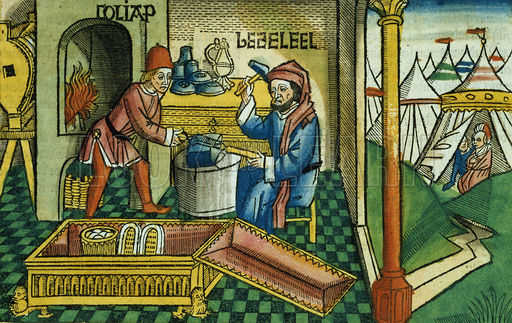
Then Moses said to the Israelites, “See, the Lord has chosen Bezalel son of Uri, the son of Hur, of the tribe of Judah, and he has filled him with the Spirit of God, with wisdom, with understanding, with knowledge and with all kinds of skills— to make artistic designs for work in gold, silver and bronze, to cut and set stones, to work in wood and to engage in all kinds of artistic crafts. And he has given both him and Oholiab son of Ahisamak, of the tribe of Dan, the ability to teach others. He has filled them with skill to do all kinds of work as engravers, designers, embroiderers in blue, purple and scarlet yarn and fine linen, and weavers—all of them skilled workers and designers.” -Exodus 35:30-35

(Source: yearinthebible.com)

Bezalel and Oholiab—with very unique names—were chosen by God. These two men were commanded to make unique engravings and designs with materials like yarn, linen, wood and gems. They were also to teach others their craft in designing the tabernacle furniture, furnishings, accessories and priestly garments, all according to the pattern God gave Moses.

How could just two men carry off such a huge task? God gave them wisdom, understanding, and knowledge for leadership and artistic craftsmanship through the filling of His Spirit.

God gives His people a variety of abilities. Don’t look down on your skills if you’re not a leader like Moses, or have a theological education. It took tremendous community effort in building the tabernacle. Likewise, churches today need this same kind of mentoring and working together for essential services. What abilities and skills has God gifted you with? How could you use these abilities to serve God and others?

Confession: I stole . . . uh borrowed . . . the title of my post from my pastor’s sermon three weeks ago. (I didn’t think he’d mind!) Pastor Cliff is currently teaching a series about the Holy Spirit. He gave a really interesting message about Bezalel and Oholiab that I’d like to share. You can find (and listen to) his podcast here: Spirit-Filled Spirit Guild. Have a wonderful week!

Consecration of the Priests (Part 2), Exodus 29; 30:22-33

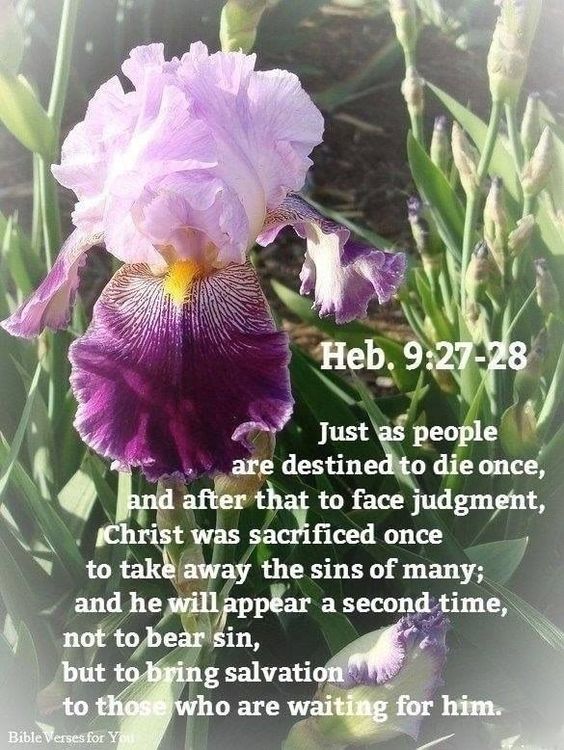
For Christ did not enter a man-made sanctuary that was only a copy of the true one; he entered heaven itself, now to appear for us in God’s presence. Nor did he enter heaven to offer himself again and again, the way the high priest enters the Most Holy Place every year with blood that is not his own. Then Christ would have had to suffer many times since the creation of the world. But now he has appeared once for all at the end of the ages to do away with sin by the sacrifice of himself.” –Hebrews 9:24-26

In order to set the high priest and his sons apart for service, God commanded that they participate in a public consecration ceremony that lasted a week. During this time, the priests had to remain in the tabernacle precincts. My last post summarized the first two stages of this ceremony. Below are the following five stages.

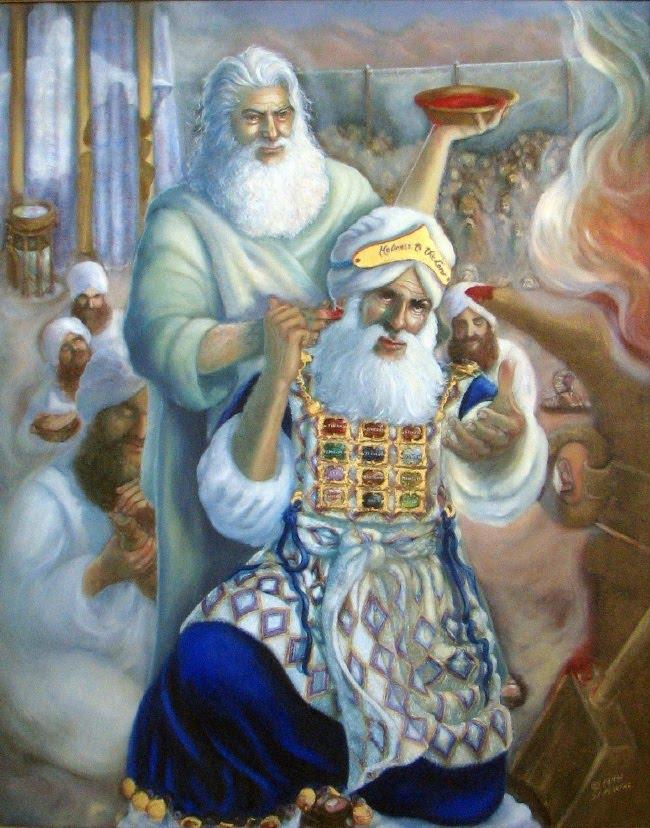
  • The priests were anointed (Ex. 29:7, 21; Lev. 8:10-12, 30). In the Old Testament, God granted priests, prophets, and kings His Holy Spirit for empowerment and service (Luke 4:17-19; Isa. 61:1-3). A special oil was used only to anoint the priests, tabernacle and its furnishings. Moses poured the oil over Aaron’s head. The oil flowed down his beard—covering his breastplate and stones that represent Israel’s tribes—displaying a beautiful picture of unity in the Lord (Ps. 133:2).

(Source: chongsoonkim.blogspot.com)
Under the new covenant, the Holy Spirit’s anointing isn’t reserved just for priests, prophets, and kings. Those who have placed their trust in Jesus as Lord and Savior have also received an anointing of God’s Spirit (1 John 2:20, 27; 2 Cor. 1:21-22). The Holy Spirit is the “down payment” of future glory. He has both anointed and sealed us by His Spirit.

  • The priests were forgiven (Ex. 29:10-14).

    Jesus Christ is our sin offering. We find forgiveness in Him alone (Isa. 53:4-6, 12; Matt. 26:28; 2 Cor. 5:21; 1 Peter 2:24; Rev. 1:5-6).

    To atone for the priests’ sins, they had to sacrifice a slain bull (Lev. 4; 8:14-17). This sin offering was to be repeated daily for a week (Ex. 29:36-37) to cleanse not only themselves, but also to sanctify the altar where the priests would minister.

  • The priests were completely dedicated to God (Ex. 29:15-18; Lev. 8:18-21). God expected the high priest and his associates to fully devote themselves to their work of ministry. Total dedication to the Lord is depicted when the animal is completely given to Him during the burnt offering sacrifice (Lev. 1). Likewise, Jesus held nothing back in both His ministry before the cross and becoming our sacrifice on the cross.
  • The priests were marked by the blood (Ex. 29:19-22; Lev. 8:22-24). Warren Wiersbe (Be Delivered) writes: “At this point in the ordination ceremony, we would have expected Moses to offer a trespass offering (Lev. 5), but instead, he offered a ram as a peace offering, “the ram of consecration” (Ex. 29:22). The Hebrew word means “filling” because the priests’ hands were filled with bread and meat.” Moses not only sprinkled the blood—along with the anointing oil—on Aaron, his sons, and the altar, but also marked each man with some blood on the right thumb, right big toe, and right earlobe as a reminder to the following: Listen to God’s Word; carry out God’s work; and follow God’s way. As the blood speaks of sacrifice, the priests became “living sacrifices” in their service of the Lord (Rom. 12:1).
  • The priests were fed (Ex. 29:22-28, 31-34; Lev. 8:25-29). As part of the priests’ payment for serving at the altar, pieces from some of the offerings—along with special harvest tithes—were given to them. However, they were to eat in the tabernacle precincts and view these gifts as holy sacrifices. The priests’ hands were filled from the “food basket” (Ex. 29:2-3) and from the altar (vv. 22-28). Then the priests would wave these gifts toward the altar in devotion to God. Lastly, they shared this food in a fellowship meal (vv. 31-34). The priests would never lack for nourishment if they faithfully encouraged Israel to obey God and taught His Word. Sadly—in later years—some of the priests lost sight of God and His commands as they consumed the best for themselves (1 Sam. 2:12-17; Mal. 1:6-14).

Upon completion of their ordination ceremony, the priests immediately entered into ministry with no allotted vacation or sick days. Their daily, weekly, monthly, and yearly schedule were charted in the law that God gave Moses on Mount Sinai. Every day would start with sacrificing a lamb as a burnt offering. This signified the people’s total dedication to God. The day also ended with offering another lamb as a burnt offering. Wiersbe observes: “That’s a good example for us to follow, opening and closing the day with surrender to the Lord. . . . The flour and wine [given as a meal offering] represented the results of the people’s labor in the fields and the vineyards. Symbolically, they were presenting the fruit of their toil to God and thanking Him for the strength to work and for food to eat (Deut. 8:6-18). The wine poured out was a picture of their lives poured out in His service (Phil. 2:17; 2 Tim. 4:6, NIV).”

Reflect

The priests’ first obligation was to minister to God. What does this mean for God’s people today? Who has been anointed with the Holy Spirit today? What is gained from this anointing? What does it mean for believers to present their bodies as a living and holy sacrifice (Rom. 12:1)?